Navigating Memory Care: Essential Knowledge for Successful Caregiving
Steering through memory care brings unique challenges for caregivers. Understanding the diverse types of memory impairments is vital for effective support. Caregivers must develop customized communication strategies and create environments that foster safety and confidence. Daily routines and engaging activities play a important role in emotional wellness. However, the demands of caregiving can take a toll on personal health. Exploring these elements reveals essential insights that can transform the caregiving experience.
Comprehending Memory Disorders: Key Conditions and Signs
Even though memory impairments can emerge from numerous sources, grasping the main conditions and symptoms connected to these cognitive challenges is essential for effective care. Alzheimer's disease, a progressive neurological disorder, is one of the most common causes of memory loss, identified by gradual cognitive decline and disorientation. Vascular dementia, arising from reduced blood flow to the brain, can lead to sudden memory challenges and confusion. Other conditions, including Lewy body dementia and frontotemporal dementia, also display particular symptoms that caregivers must detect.
In addition to these illnesses, aspects like traumatic brain injury, substance abuse, and depression can also lead to memory impairments. Signs may include challenges recalling recent events, confusion about time and place, and struggles in performing familiar tasks. By detecting these conditions and symptoms, caregivers can more appropriately customize their approaches, ensuring that those affected receive the suitable support and interventions needed for their welfare.
Communication Strategies for Effective Caregiving
Strong communication is crucial for caregivers caring for individuals dealing with memory impairments. By applying active listening techniques, understanding nonverbal communication cues, and using simplified language, caregivers can foster more meaningful interactions. These strategies not only improve understanding but also foster a sense of dignity and respect in the caregiving relationship.
Skills for Active Listening
In what ways does active listening revolutionize interactions between caregivers and memory care residents? Active listening functions as a foundational approach that deepens understanding and connection. It encompasses total focus on the speaker, validating their feelings, and answering with care. Caregivers can enhance their exchanges by sustaining eye contact, gesturing with nods, and employing verbal confirmations, showing they appreciate the speaker's contributions. This strategy develops a climate of safety and honor, empowering memory care individuals to articulate themselves more comfortably. By considering what has been communicated and requesting clarification, caregivers can gain deeper insight into the needs and sentiments of those they support. Ultimately, active listening can lead to more meaningful exchanges, reducing frustration and enhancing the overall caregiving experience.
Unspoken Communication Signs
Nonverbal communication cues, such as facial expressions, gestures, and posture, fulfill a vital purpose in the interactions between caregivers and individuals in memory care. These cues can communicate empathy, reassurance, and understanding, often more effectively than copyright alone. A warm smile can help ease anxiety, while an open posture can signal approachability. Furthermore, caregivers should be attuned to the nonverbal signals shown by those in their care. Changes in body language or facial expressions may indicate discomfort or confusion. By acknowledging and reacting to these cues, caregivers can foster a supportive environment that encourages trust and connection. In the end, effective nonverbal communication elevates the quality of care and assessment enriches the overall experience for both caregivers and individuals with memory impairments.
Simplified Language Use
Clear interaction is vital in memory care settings, and simple language acts as a key strategy for caregivers. By utilizing simple copyright and brief sentences, caregivers can boost understanding and decrease frustration for individuals with cognitive impairments. This approach promotes participation and cultivates a sense of dignity. Caregivers should refrain from complicated expressions or sayings that may confuse patients and instead go with straightforward, tangible guidance. Repetition can also support comprehension, serving to strengthen messages without overwhelming the individual. Additionally, caregivers should stay patient, permitting sufficient time for replies. Integrating visual aids in combination with simplified language can further bolster communication effectiveness. Ultimately, these strategies establish a supportive environment, elevating the quality of interactions and overall care for those in memory care.
Establishing a Secure and Nurturing Setting
Building a secure and nurturing environment is vital for individuals with memory impairments, as it directly influences their quality of life and well-being. A neatly structured space minimizes confusion and reduces the risk of accidents. Caregivers should prioritize removing hazards, such as clutter and sharp objects, while ensuring that important items are easily accessible. Adequate lighting is vital, as it can help individuals navigate their surroundings more securely.
Including familiar objects and personal mementos can trigger positive memories and deliver comfort. Furthermore, the environment should foster a sense of belonging, featuring warm colors and inviting décor to create a comfortable atmosphere. Routinely evaluating and adapting the space to meet the shifting needs of the individual is also vital. By cultivating a nurturing environment, caregivers can elevate the overall experience for those with memory impairments, ultimately supporting their dignity and independence.
Routine Activities and Practices That Stimulate Interaction
Building daily routines and engaging activities is important for individuals with cognitive challenges, as these elements can substantially boost mental capacity and emotional well-being. Predictable schedules create structure, reducing stress and disorientation. Incorporating accustomed tasks, such as preparing food or tending plants, cultivates a sense of fulfillment and supports memory retention.
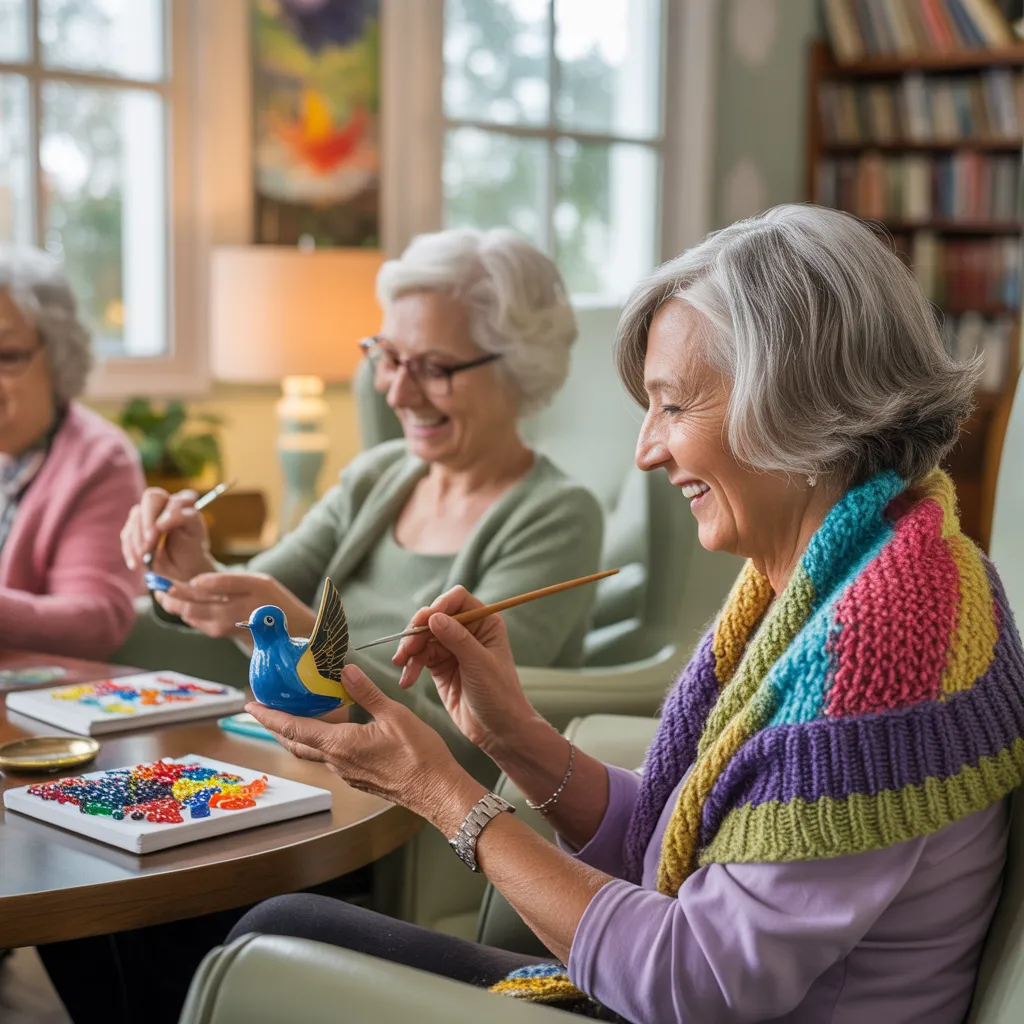
Programs adapted to unique interests, such as music therapy or art projects, can enhance cognitive engagement while fostering self-expression. Group activities, such as games or storytelling, foster social connections, which are crucial for emotional health.
Physical activities, like walking or dancing, promote overall well-being and can boost mood. Moreover, integrating sensory experiences, including aromatherapy or tactile objects, can stimulate positive memories and improve engagement. Ultimately, a balanced routine that includes cognitive, physical, and social activities fosters a richer quality of life for those with memory challenges.
The Value of Self-Care for Caregivers
Although caregivers frequently put the needs of those they care for first, failing to attend to their personal well-being may result in exhaustion and reduced competence. The emotional and physical demands of caregiving can be overwhelming, making attention to oneself vital for sustaining health and overall wellness. When caregivers fail to recharge, they might encounter elevated stress levels, anxiousness, and tiredness, which can compromise their capability to offer excellent support.
Participating in self-care practices—such as consistent physical activity, healthy eating, and sufficient sleep—can substantially improve a caregiver's resilience. Furthermore, allocating time for individual hobbies and social connections promotes a sense of balance and fulfillment. By understanding their own needs, caregivers can make certain they remain emotionally and physically capable of supporting their loved ones. Finally, prioritizing self-care not only benefits caregivers but also elevates the overall quality of care provided to those living with memory impairments.
Support Resources and Networks for Caregivers
A strong support network is essential for caregivers navigating the difficulties of memory care. Access to different resources can greatly ease the psychological and physical strains connected to caregiving. Regional and national organizations, such as the Alzheimer's Association, deliver educational materials, support groups, and helplines that connect caregivers with others encountering similar situations.
Social media groups and online forums offer a platform for discussing experiences and sharing guidance, cultivating a sense of community. Additionally, respite care services permit caregivers to take necessary breaks, making certain they preserve their overall health.
Training workshops and educational programs provide caregivers with hands-on skills and techniques for addressing the complexities of memory care. Moreover, requesting assistance from healthcare professionals can provide personalized guidance and interventions. By making use of these resources and networks, caregivers can enhance their ability to provide compassionate and effective support to their loved ones, consequently elevating their own quality of life.
Common Questions
How Can I Manage My Own Stress While Caregiving?
To handle stress while caregiving, one should focus on self-care, create boundaries, look for support from others, commit to regular physical activity, and practice relaxation techniques, ensuring a balanced approach to both personal health and caregiving commitments.
What Financial Assistance Is Available for Memory Care?
Multiple financial assistance choices for memory care include Medicaid, long-term care insurance, veterans' benefits, and state-specific programs. Families should explore eligibility requirements and application processes to get the necessary funding for quality care.
How Do I Choose the Right Memory Care Facility?
Selecting the right memory care facility requires exploring possibilities, visiting possible locations, assessing staff qualifications, reviewing safety measures, understanding offered activities, and considering family involvement to ensure a supportive and engaging environment for residents.
What Critical Legal Documents Are Needed for Caregivers?
Essential legal documents for caregivers include durable POA, medical proxy, living wills, and guardianship paperwork. These documents ensure caregivers can make informed decisions and oversee the healthcare and monetary affairs of those they look after.
How Can I Involve Family Members in Caregiving?
To include family members in caregiving, it's possible to arrange regular meetings to talk about responsibilities, encourage involvement in daily activities, share updates on the loved one's condition, and establish open communication to foster collaboration and support.